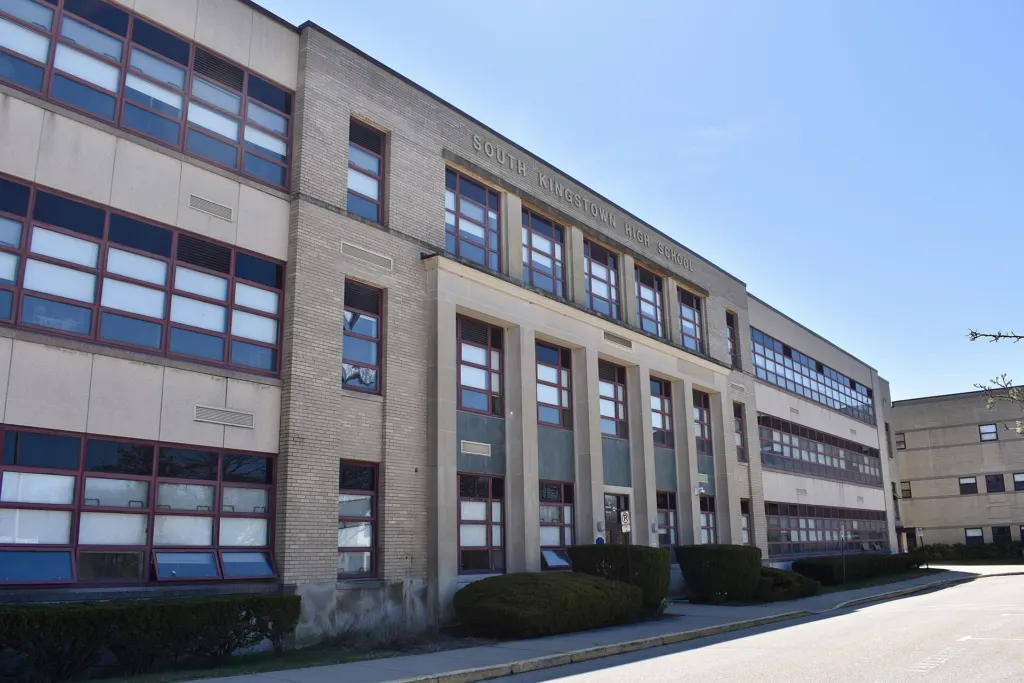
Photo: Morgan Alley / Wikimedia Commons, CC BY-SA 4.0
Property taxes pay for most local services in Rhode Island, from schools and police to road repair and libraries. Each spring, South County’s towns work through budgets that determine how much residents will pay on their tax bills in the fiscal year that begins July 1.
The basic steps
- Department requests: the town manager or administrator collects requests from town departments and prepares a proposed budget.
- School budget: the school committee adopts its own budget request, usually the largest single piece of local spending.
- Council review: the town council holds workshops and public hearings, adjusts the proposal and adopts the final budget, or sends it to voters where the town charter requires.
- Tax rate: once the budget is set, the town calculates the tax rate needed to raise the required property tax levy, based on the assessed value of property.
Town differences
In South Kingstown, Narragansett and Westerly, the town council adopts the budget under the town charter, with public hearings along the way. Some smaller Rhode Island towns put the budget directly to voters at a financial town meeting or referendum. In the Chariho Regional School District, which serves Charlestown, Richmond and Hopkinton, the district budget goes to a vote of residents of the three towns.
The state levy cap
Rhode Island law generally limits how much a city or town’s total property tax levy can grow from one year to the next, currently 4 percent, with exceptions for certain circumstances such as debt service or emergencies approved by state officials. State aid for schools, distributed under Rhode Island’s education funding formula, also affects how much towns need to raise locally.
How to weigh in
- Budget documents are posted on each town’s website, often with a summary for residents.
- Public hearings are advertised in advance; residents can speak or submit written comments.
- Council and school committee meetings are posted on the Rhode Island Secretary of State’s open meetings portal, and many are broadcast or streamed.
Reading your tax bill alongside the town’s budget summary is the easiest way to see where the money goes.