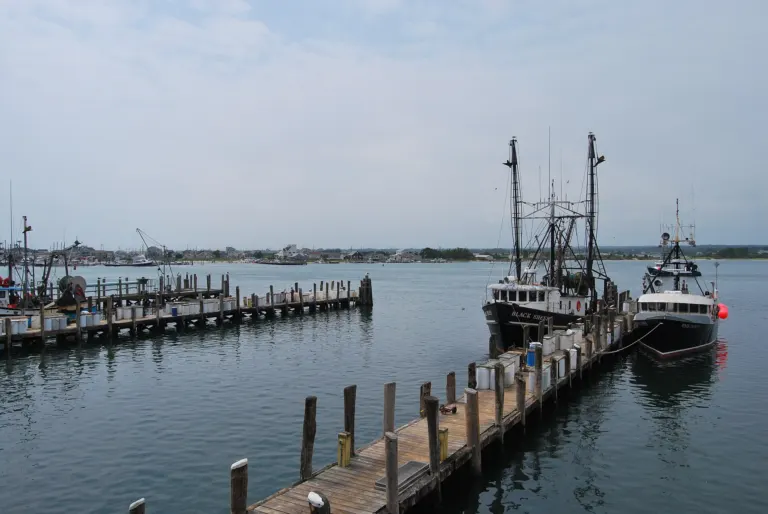
Photo: Daniel Case / Wikimedia Commons, CC BY-SA 3.0
South County’s economy runs on small businesses: shops and restaurants in Wakefield, Westerly and Wickford, seasonal businesses along the beaches, fishing and charter operations in Galilee, farms, contractors and professional offices. If you are starting one, a few organizations offer free help, and a handful of state and town steps are required.
Free advising
- Rhode Island Small Business Development Center (RI SBDC): no-cost, confidential advising on business plans, financing, marketing and growth, plus workshops.
- SCORE Rhode Island: volunteer mentors, many of them experienced business owners, offer free one-on-one mentoring and workshops.
- Rhode Island Commerce: the state’s economic development agency offers programs, small business grants when available and help navigating state requirements.
- Center for Women and Enterprise and local chambers of commerce, including those serving South Kingstown, Narragansett and Westerly-Pawcatuck, offer networking and training.
The required steps
- Choose a structure. Sole proprietorship, partnership, LLC or corporation. An accountant or attorney can help you weigh liability and taxes.
- Register with the state. LLCs and corporations file with the Rhode Island Department of State’s business services division. Sole proprietors using a name other than their own file a “doing business as” certificate with the town or city clerk.
- Get a federal EIN from the IRS if you will have employees or form an LLC or corporation.
- Register for state taxes. Businesses selling taxable goods need a sales tax permit from the Rhode Island Division of Taxation, and employers register for withholding and unemployment insurance.
- Check town requirements. Zoning approval, building permits, signs and certain licenses, such as victualling licenses for restaurants, are handled by the town. Food businesses also need Rhode Island Department of Health licensing.
Seasonal businesses
Many South County businesses earn most of their revenue between Memorial Day and Labor Day. Lenders and advisers recommend planning cash flow for the off-season months, and the SBDC can help build a seasonal budget.