Photo: Ionna22 / Wikimedia Commons, CC BY-SA 4.0
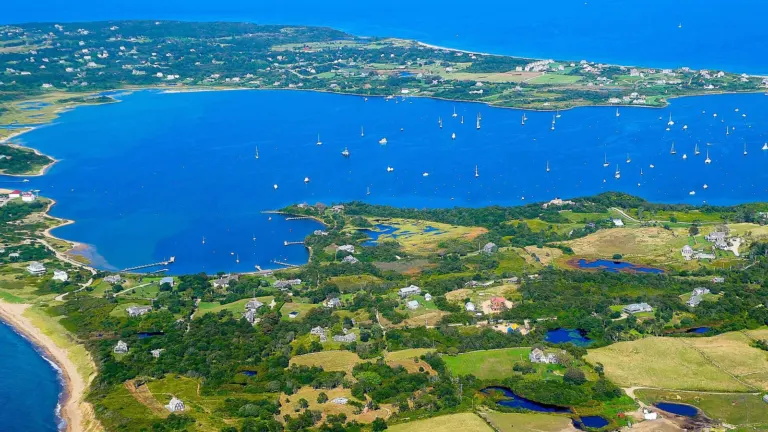
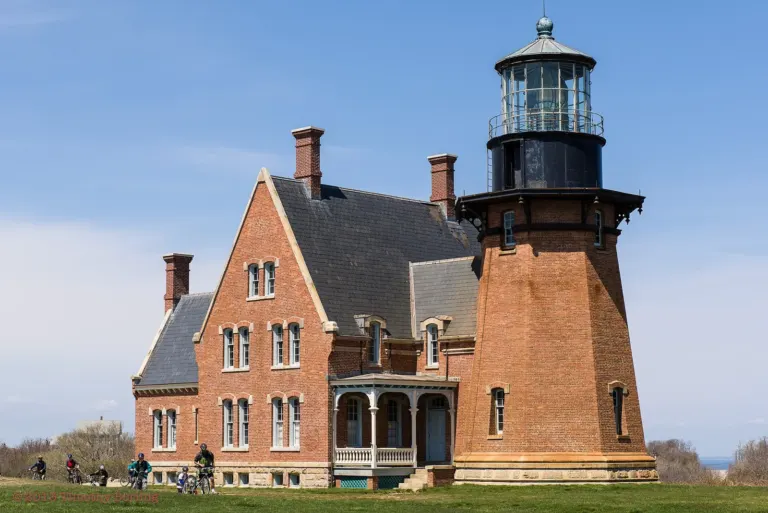
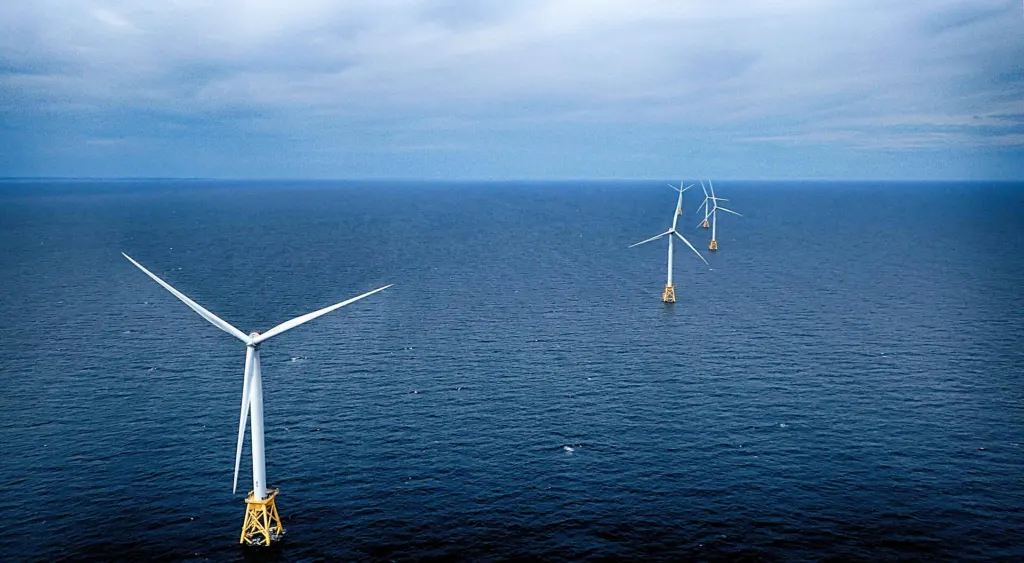
In December 2016, five turbines about three miles southeast of Block Island began sending power to the grid, making the Block Island Wind Farm the first commercial offshore wind farm in the United States. A decade later, it remains a reference point for every offshore wind project on the East Coast.
The project
The 30-megawatt farm was developed by Deepwater Wind, a Providence-based company, and uses five 6-megawatt GE Haliade turbines on steel jacket foundations, a design borrowed from the offshore oil industry. Deepwater Wind was acquired in 2018 by the Danish company Ørsted, which operates the farm.
Rhode Island’s Ocean Special Area Management Plan, adopted by the Coastal Resources Management Council in 2010, laid the groundwork by mapping fishing grounds, habitats, shipping lanes and other uses and identifying an area suitable for a small wind farm in state waters.
The cables
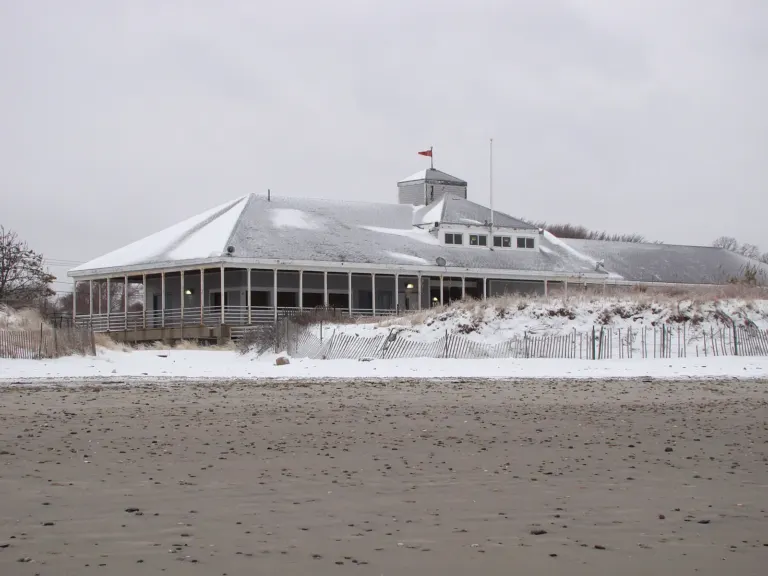
A cable carries power from the turbines to Block Island. A second line, the sea2shore cable built by National Grid, connects the island to the mainland grid, coming ashore at Scarborough State Beach in Narragansett. Before the cable, Block Island depended on diesel generators for its electricity, which meant some of the highest power prices in the region. With the cable in place, the island’s utility retired its diesel generators from regular service and now draws power from the mainland grid, with the wind farm supplying much more electricity than the island uses.
What changed
- Island power: the end of routine diesel generation cut fuel deliveries and local emissions on the island.
- Fishing and wildlife: the turbine foundations have become artificial reefs that attract fish, and the farm is a popular stop for recreational anglers and charter boats. Researchers have studied effects on fish, birds and marine mammals since construction.
- Tourism: boat tours to the turbines became a summer attraction.
- Industry: the project helped establish Rhode Island ports, especially Quonset Point in North Kingstown, as staging areas for offshore wind construction.
The larger projects
Much larger wind farms have since been planned or built in federal waters south of Rhode Island and Massachusetts. South Fork Wind, which serves Long Island, was completed in 2024, and Revolution Wind, designed to supply Rhode Island and Connecticut, was halted by a federal stop-work order in August 2025 before a federal judge allowed construction to resume. Their progress, and the debate over offshore wind’s costs and effects on fishing, remain major stories for the South County coast.
Add South County Independent as a preferred source on Google (opens in a new tab)