The permits are in hand. The money and the calendar are not. Narragansett Town Manager James Tierney told the Town Council on Oct. 19 that dredging the mouth of the Narrow River will not happen this season, even though the project cleared its last regulatory hurdle in September.
“This time frame and the lack of funding is too tight for the dredging to happen this season,” Tierney said during his manager’s report, according to an account of the meeting recording. He said he wanted to go on record with that assessment again. No vote was taken.
The current work window closes Jan. 31, 2027. Missing it means waiting until next fall at the earliest.
Three permits, three clocks
The town spent much of the past year waiting on the U.S. Army Corps of Engineers, the third of three agencies whose sign-off was required. The others, the Rhode Island Department of Environmental Management and the Coastal Resources Management Council, had already approved. The Corps’ “voluminous” response arrived in early September, the Independent reported, and Tierney had previously said the federal government shutdown late last year was a big reason for the delay.
The approvals come with strict timing. CRMC and the Corps require that the work start and finish between October and January to protect fish spawning and coastal habitat, and DEM tightens that further. The permits also expire on different schedules: 10 years for the Corps, five for DEM and three for CRMC. That last number matters. If funding takes more than a couple of years to line up, the town could find itself renewing the first permit before the dredge ever arrives.
Waiting on an earmark
The project is estimated to cost $1.6 million to $2 million. Narragansett has applied for congressionally directed spending, the modern term for an earmark, as it has in previous years, and Tierney told the council the town still has not heard back. He has asked about the timeline for those decisions.
Two other pieces of preparation are moving in the meantime. The town needs to deal with an outfall pipe that runs into the part of the river where dredging would take place, and The Dunes Club is helping the town hire an engineering firm to study it. A title survey also has to be done two months before work begins, which by itself rules out a quick start.
A council member thanked Tierney for being direct about the schedule and noted the cost pressure, saying “every year that this gets delayed, the more expensive this project gets.”
What the dredge would actually do
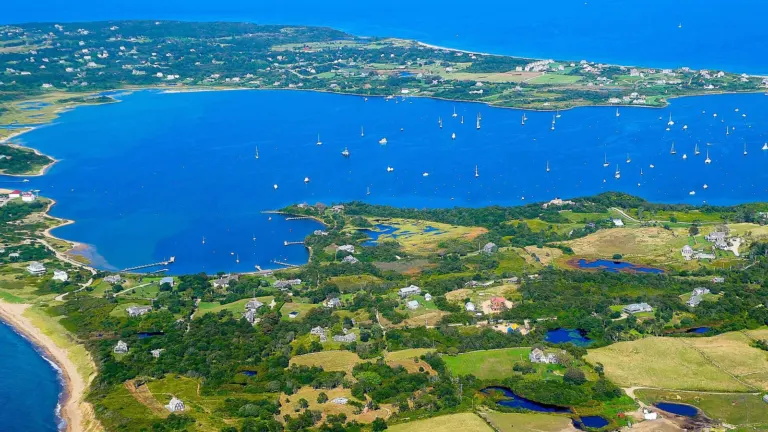
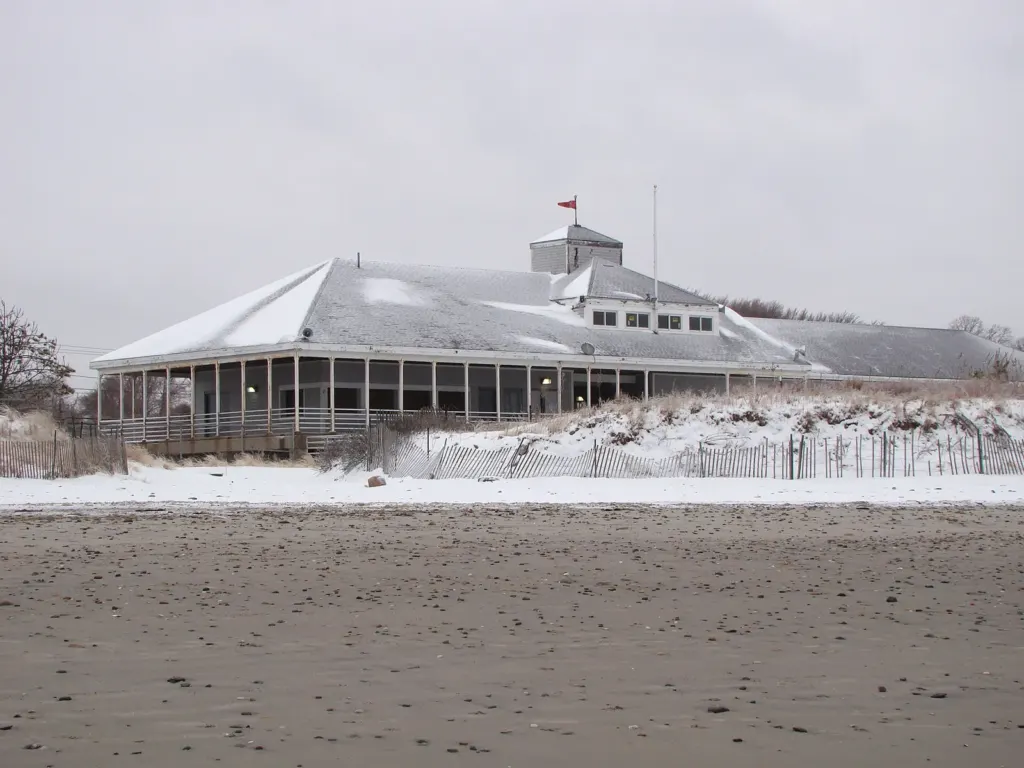
The Narrow River, also known as the Pettaquamscutt, is less a river than a tidal estuary, a chain of basins that fills and drains with the tide through a narrow mouth beside Narragansett Town Beach. That mouth works like a sand trap. Over time the shoals have built up enough to make navigation difficult for small boats and to change how water moves in and out of the system.
The plan, laid out in a 56-page report from the Narrow River Preservation Association, would remove about 41,551 cubic yards of sand from the mouth, cut a single deeper navigation channel and use some of the material to rebuild and extend dunes on the spit. Water levels and the health of the estuary would be monitored afterward.
The association is candid that dredging is not a permanent fix. Sand will return, because that is what the coastal system does at the mouth of an inlet. The longer question, as the report frames it, is how Narragansett manages the river mouth, the beach and the dunes over decades of rising seas and stronger storms.
For kayakers, paddleboarders and the anglers who use the river, the practical upshot is another season with the mouth as it is now. Residents can follow the project through the town manager’s report, which is a standing item on every regular Town Council agenda.